

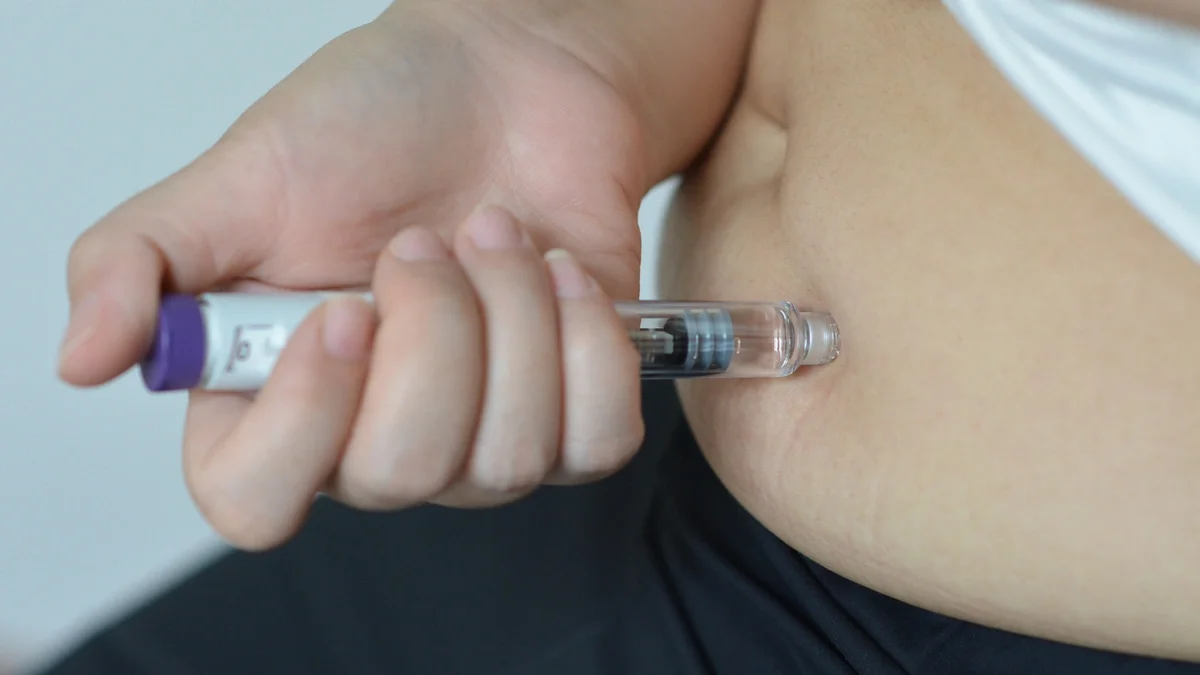
Ozempic Babies: What GLP-1 Medications Could Mean for Your Fertility
If you've spent any time on social media lately, you've probably seen the term "Ozempic baby." Patients who struggled with infertility for years are getting pregnant unexpectedly after starting a GLP-1 medication like Ozempic, Wegovy, Mounjaro, or Zepbound. It's a fascinating trend, and if you're trying to conceive, you likely have questions. Here's what's actually happening.
What's Really Behind the "Ozempic Baby" Trend
GLP-1 medications were developed to treat type 2 diabetes and later approved for weight management. They were never designed as fertility drugs, so why are so many patients getting pregnant while taking them?
The most likely explanation is indirect, not direct. Excess weight and insulin resistance can disrupt ovulation, especially for people with PCOS or obesity-related infertility. As GLP-1 medications help patients lose weight and improve insulin sensitivity, ovulation can become more regular for some people. That can catch patients off guard, particularly if they weren't using consistent birth control due to a long history of irregular cycles.
In short, the medications aren't boosting fertility hormones directly. They're addressing an underlying metabolic issue that may have been standing in the way of ovulation all along.
Why This Matters if You Have PMOS (PCOS)
This research is especially relevant if you're managing PMOS, one of the most common causes of ovulatory infertility and closely tied to insulin resistance in many patients. Early studies, including a review published in Fertility and Sterility, have explored GLP-1 medications as part of preconception care for patients with PMOS and obesity, since even modest weight loss can help restore more regular cycles.
That said, this is still an emerging area of medicine. GLP-1s aren't currently prescribed as a standalone fertility treatment, and more research is needed before they become a routine part of fertility care.
Safety Comes First: What to Know Before You Conceive
Here's the part that matters most: GLP-1 medications are not considered safe during pregnancy, and data on their effects in pregnant patients remains limited. Most physicians recommend discontinuing these medications one to two months before actively trying to conceive or starting fertility treatment, to allow the drug to fully clear your system.
This is exactly why an unplanned "Ozempic baby" can catch patients by surprise. If you have a history of irregular ovulation and are currently taking a GLP-1 medication, it's worth talking with your doctor about contraception, timing, and what a safe transition off the medication looks like if pregnancy is part of your near-term plan.
What This Means for Your Path to Pregnancy
Whether or not a GLP-1 is part of your health picture, one thing is clear: weight, insulin resistance, and ovulation are closely connected. If irregular cycles, PCOS, or unexplained infertility have been part of your story, fertility testing can help identify what's happening and what treatment path makes the most sense for you.
Let's Talk Through Your Options
Our Atlanta-area fertility specialists stay current on emerging research like this so we can offer accurate, judgment-free guidance, not social media speculation. If you're curious how your weight, hormones, or a GLP-1 prescription might be affecting your path to pregnancy, we're here to help.
Request a consultation with RBA today, or explore our fertility testing services for women to take the first step toward answers.